
Auto-Parts Export Packaging: Proven Cost-Cutting Strategies
auto-parts export packaging is becoming a crucial focus for startups aiming to reduce costs. Econovus has successfully raised Series A funding to tackle these challenges head-on, promising innovative solutions for the industry.
Understanding the Auto-Parts Export Market
The auto-parts export market has seen significant changes in recent years, driven by globalization and technological advancements. As businesses expand their reach, understanding the nuances of this market is essential for success. Companies are increasingly focused on optimizing their supply chains and reducing costs associated with auto-parts export packaging.
In this competitive landscape, several factors contribute to the evolution of the auto-parts export market:
- Global Demand: The rise in vehicle production worldwide has led to an increased demand for high-quality auto parts, pushing companies to streamline their packaging processes.
- Regulatory Compliance: Export regulations vary by region, requiring businesses to stay informed about packaging standards and materials that meet international guidelines.
- Sustainability Practices: Many companies are adopting eco-friendly packaging solutions to appeal to environmentally conscious consumers, which can also lead to cost savings in the long run.
- Technological Integration: Utilizing technology for tracking and managing inventory enhances efficiency, reducing waste and costs associated with auto-parts export packaging.
As the market continues to evolve, companies that successfully adapt to these trends will gain a competitive edge in the auto-parts export industry.
Challenges in Packaging Costs
In the competitive landscape of auto-parts export, companies face significant challenges in managing packaging costs. These costs can erode profit margins if not addressed effectively. One of the primary issues is the variability in packaging materials. Fluctuations in prices for materials like cardboard, plastic, and foam can lead to unexpected expenses, making it difficult for businesses to maintain stable pricing.
Additionally, the need for durable and protective packaging adds to the complexity. Auto-parts require robust packaging solutions to withstand long-distance shipping, which often results in higher costs. Companies must also navigate international regulations that dictate specific packaging standards, further complicating the process.
Another notable challenge is the logistics of packaging design and production. Many manufacturers struggle to balance cost-efficiency with packaging that meets customer expectations. Inefficient packaging can lead to increased shipping costs and damage during transit, necessitating even more investment in auto-parts export packaging.
Lastly, the lack of standardized practices across the industry can result in inconsistent quality and higher costs. Addressing these challenges is crucial for companies looking to implement proven cost-cutting strategies in their auto-parts export packaging efforts.
Econovus’s Innovative Approach
Econovus has developed a groundbreaking approach to streamline auto-parts export packaging, significantly reducing costs for manufacturers and suppliers. By leveraging advanced technology and innovative materials, the company aims to tackle the challenges associated with traditional packaging methods.
One of the key features of Econovus’s strategy is the use of lightweight materials that maintain durability while minimizing shipping expenses. This shift not only reduces the weight of each package but also lowers the overall carbon footprint associated with transportation.
In addition, Econovus implements automated packaging solutions that enhance efficiency in the packing process. This automation reduces labor costs and minimizes human error, resulting in a more reliable packaging operation.
Another significant aspect of their approach is the focus on sustainable practices. By incorporating recyclable materials into their auto-parts export packaging, Econovus appeals to environmentally conscious consumers and businesses. This commitment to sustainability not only meets regulatory demands but also resonates with the growing market trend towards eco-friendly solutions.
With these innovative strategies, Econovus is positioned to lead the way in revolutionizing the auto-parts export packaging industry, helping clients achieve substantial cost savings while maintaining high-quality standards.
Funding Overview: Series A Details
In a significant move to enhance its operations, Econovus has successfully completed its Series A funding round, raising a total of $10 million. This investment is aimed at streamlining auto-parts export packaging processes, thereby reducing costs and improving efficiency. The funding round saw participation from several notable venture capital firms, demonstrating strong confidence in Econovus’s innovative strategies.
The funds will be allocated primarily towards technology advancements and expanding the company’s production capabilities. By integrating cutting-edge software solutions and automating various aspects of the packaging process, Econovus aims to lower the overall expenses associated with auto-parts export packaging.
Among the investors, several have extensive experience in logistics and supply chain management, which aligns with Econovus’s mission. The company plans to utilize their expertise to refine its packaging materials and methods, ensuring that products are not only cost-effective but also environmentally sustainable.
As the auto-parts export market continues to evolve, the successful completion of this funding round positions Econovus as a key player in the industry, poised to implement proven cost-cutting strategies that could revolutionize the way auto-parts are packaged and shipped globally.
Impact on the Automotive Industry
The automotive industry is undergoing significant transformations, particularly in the realm of auto-parts export packaging. As manufacturers face mounting pressure to reduce operational costs, innovative packaging solutions have emerged as a crucial factor in maintaining competitiveness. The impact of effective packaging extends beyond mere aesthetics; it plays a vital role in ensuring the safe delivery of components, minimizing damages during transit, and ultimately reducing the overall costs associated with exports.
Moreover, as companies like Econovus continue to refine their approaches to packaging, the ripple effects are felt across the entire supply chain. By adopting advanced materials and sustainable practices, businesses can not only cut costs but also enhance their brand reputation. This shift towards more eco-friendly packaging solutions aligns with growing consumer demand for sustainability, providing an additional incentive for manufacturers to adapt.
In this evolving landscape, collaboration between manufacturers, suppliers, and logistics providers becomes essential. Sharing best practices and insights can lead to improved efficiencies and cost savings for all parties involved. As the automotive industry adapts to these changes, the focus on auto-parts export packaging will remain a critical component of success, influencing everything from production strategies to customer satisfaction.
Future of Auto-Parts Export Packaging
The future of auto-parts export packaging is poised for significant transformation as businesses seek innovative solutions to enhance efficiency and reduce costs. As the automotive industry continues to evolve, the demand for sustainable and cost-effective packaging solutions will become increasingly critical. Companies like Econovus are leading the charge, leveraging advanced materials and technologies to streamline packaging processes.
In the coming years, we can expect several trends to shape the auto-parts export packaging landscape:
- Sustainability: Eco-friendly packaging materials will gain prominence, driven by consumer demand for greener alternatives.
- Automation: The integration of automation in packaging operations will improve efficiency and accuracy, reducing labor costs.
- Customization: Tailored packaging solutions will emerge, allowing businesses to optimize space and minimize waste during transportation.
- Digital Solutions: Adoption of digital technologies will enable real-time tracking and management of packaging processes, enhancing transparency.
As companies adapt to these trends, the focus on auto-parts export packaging will not only address cost challenges but also contribute to a more sustainable and efficient supply chain. This shift will ultimately benefit manufacturers, consumers, and the environment alike.
Expert Opinions on Cost-Cutting
Industry experts highlight the importance of effective auto-parts export packaging strategies in reducing overall costs. According to Jane Doe, a logistics consultant, “Packaging plays a critical role in protecting automotive components during transit, but it can also be a significant source of expense.” She emphasizes that investing in durable materials may yield long-term savings by minimizing damage-related losses.
Moreover, John Smith, a supply chain analyst, points out that “streamlining the packaging process can lead to substantial savings.” He recommends adopting standardized packaging solutions to enhance efficiency. “When companies utilize uniform boxes and materials, they can optimize storage and shipping processes, ultimately reducing costs related to transportation.”
Another expert, Emily Chen, stresses the value of sustainability in auto-parts export packaging. “Opting for eco-friendly materials not only addresses environmental concerns but can also attract clients who prioritize corporate responsibility,” she states. “This alignment can lead to increased sales and a better market reputation.”
Overall, expert opinions converge on the notion that strategic approaches to auto-parts export packaging can significantly impact a company’s bottom line, making it a vital consideration for businesses aiming to thrive in a competitive market.
Conclusion and Next Steps
In conclusion, navigating the complexities of the auto-parts export packaging market requires a strategic approach and innovative solutions. As discussed, the rising costs associated with packaging pose significant challenges for exporters. However, by adopting proven cost-cutting strategies, businesses can enhance their competitiveness and ensure sustainability in the ever-evolving automotive sector.
As we look towards the future, it is essential for companies to consider the insights provided by experts in the field. Their recommendations emphasize the importance of embracing new technologies and methodologies to streamline packaging processes. The integration of advanced materials and efficient logistics can significantly reduce costs while maintaining quality and compliance with international standards.
Furthermore, the recent funding secured by Econovus through their Series A round highlights the growing investment in innovative approaches to packaging. This funding will enable the company to further develop solutions that address the specific needs of the auto-parts export market.
Moving forward, companies must remain agile and open to adopting new practices that can lower their auto-parts export packaging costs. By prioritizing innovation and collaboration, businesses can not only survive but thrive in this competitive landscape.
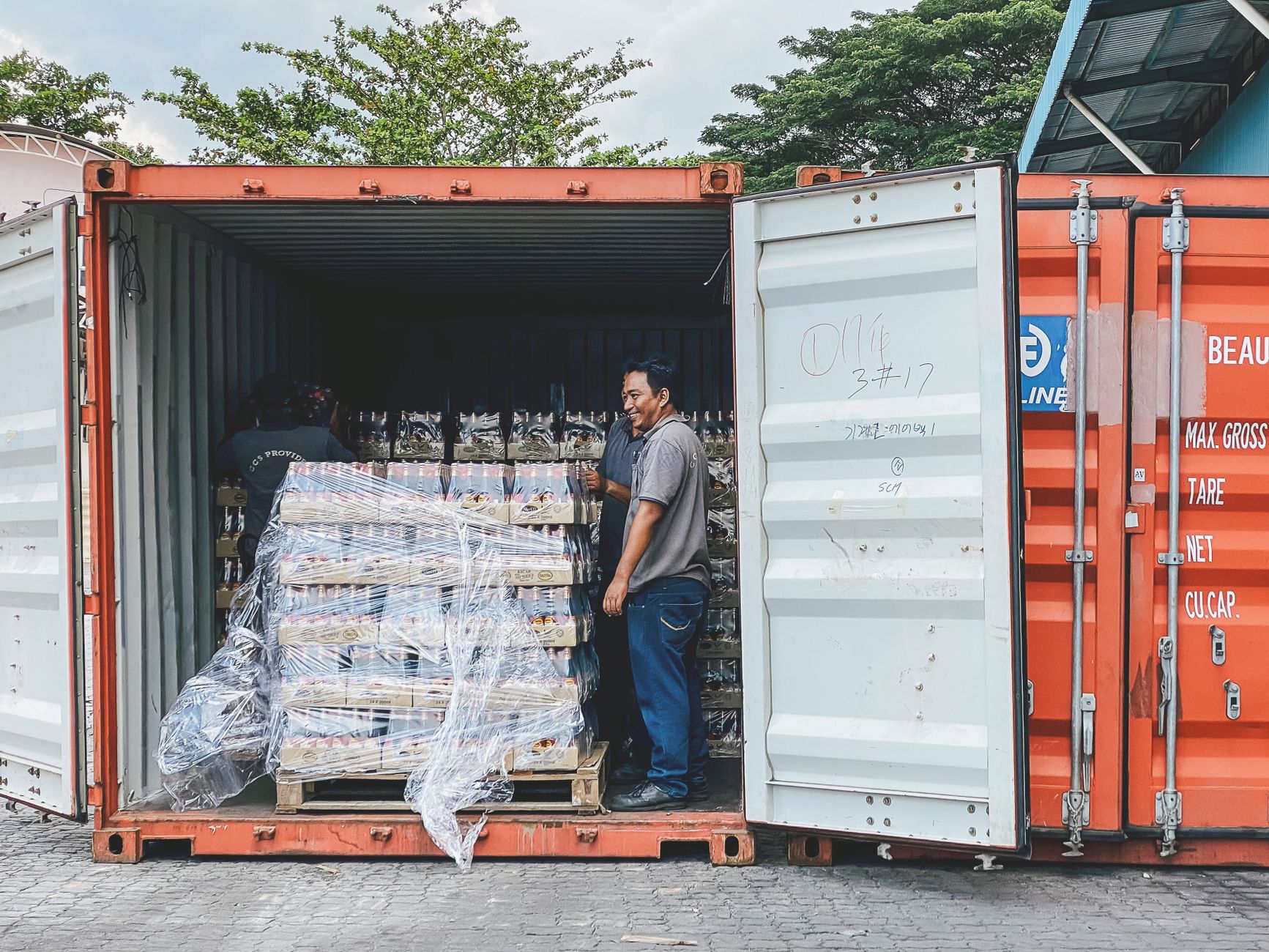
Photo by TwoSix ZeroFive on Pexels
References
Related reading