
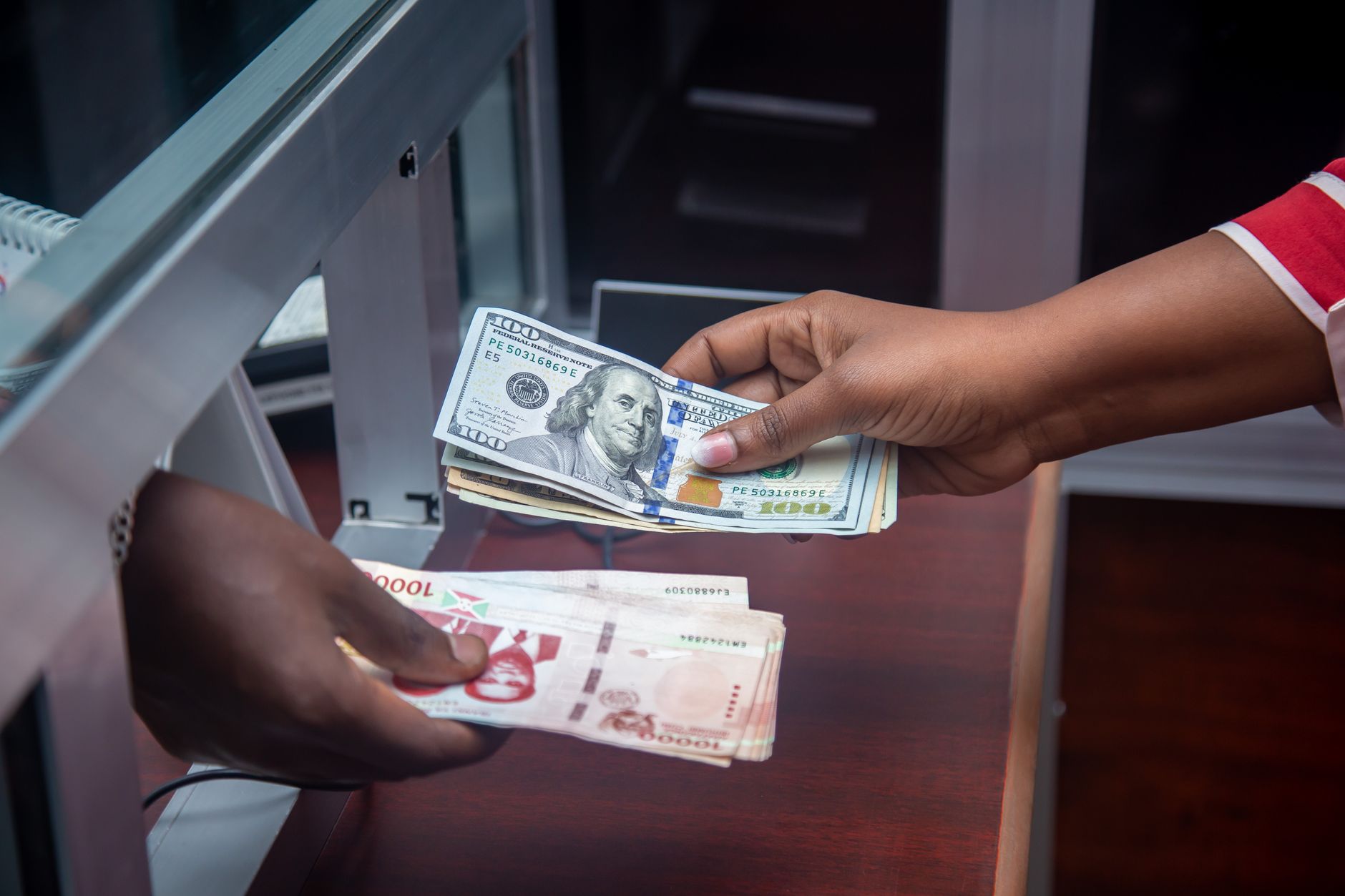
Public banks rate cut: Worst transmission in easing cycle
public banks rate cut is lagging behind in this easing cycle, raising concerns among economists and borrowers alike.
Understanding the public banks rate cut delay
Understanding the public banks rate cut delay is crucial in the current economic climate. Despite the Reserve Bank of India’s recent decisions to lower interest rates, public banks have been slow to pass on these benefits to consumers. This lag in transmission is particularly concerning as it affects borrowing costs for individuals and businesses alike.
Several factors contribute to this delay:
- Liquidity issues: Public banks often face challenges in managing their liquidity, which can hinder their ability to lower rates effectively.
- Asset quality concerns: High levels of non-performing assets (NPAs) make public banks cautious about reducing rates too aggressively.
- Regulatory pressures: These banks must adhere to strict regulatory frameworks, which can complicate their decision-making processes.
The public banks rate cut delay underscores a broader issue within the financial system, highlighting the need for reforms that ensure a more efficient transmission of monetary policy changes. As the economy continues to recover, timely rate cuts will be essential for stimulating growth.
Impact of delayed rate cuts on borrowers
The delay in the public banks rate cut has significant implications for borrowers seeking relief amid rising economic pressures. As interest rates remain elevated, many individuals and businesses are finding it increasingly difficult to manage their debts and secure affordable financing.
Borrowers are facing several challenges due to the lag in rate cuts:
- Increased Financial Strain: Higher interest rates mean that monthly payments on loans, mortgages, and credit cards continue to rise, putting additional pressure on household budgets.
- Reduced Borrowing Capacity: With costs remaining high, many potential borrowers are hesitant to take on new loans, resulting in a slowdown in consumer spending and investment.
- Impact on Economic Growth: The delayed public banks rate cut could hinder broader economic recovery, as businesses may struggle to expand or invest without favorable borrowing conditions.
Overall, the sluggish transmission of the public banks rate cut during this easing cycle is exacerbating financial challenges for borrowers, leaving many to navigate a more complex economic landscape.
Comparing public banks and private banks in rate transmission
The disparity in rate transmission between public and private banks has become increasingly evident during this easing cycle. While private banks have swiftly adjusted their interest rates in response to the central bank’s monetary policy changes, public banks are lagging significantly behind.
Several factors contribute to this phenomenon:
- Operational efficiency: Private banks often have more streamlined processes, allowing them to implement rate changes quickly.
- Market competition: The need to attract and retain customers pushes private banks to reduce rates faster, a pressure that public banks do not face to the same extent.
- Risk assessment: Public banks may remain cautious, concerned about the potential impact of rapid rate cuts on their financial stability.
As a result, borrowers relying on public banks find themselves facing higher costs for longer periods. This slow response to the public banks rate cut is causing frustration among customers who are eager for more favorable lending conditions.
Expert opinions on the current banking landscape
Experts are voicing concerns over the public banks rate cut and its implications for the broader financial ecosystem. Many analysts believe that the current environment is marked by a significant delay in rate cuts from public banks, which is affecting overall economic recovery. According to Dr. Anjali Mehta, a noted economist, “The sluggish response of public banks in transmitting lower rates is a critical issue that could hinder the growth of small and medium enterprises.”
Furthermore, Rajesh Kumar, a financial analyst, emphasized the need for public banks to adopt more aggressive strategies: “If public banks do not align their rates with the market, they risk losing customer trust and business to private banks that are quicker to respond.”
Moreover, the disparity in rate transmission between public and private banks is causing frustration among borrowers who are eager for relief. As noted by industry experts, the effectiveness of monetary policy is heavily reliant on the responsiveness of these banks to rate cuts.
Photo by Audy of Course on Pexels
Sources
Related stories
